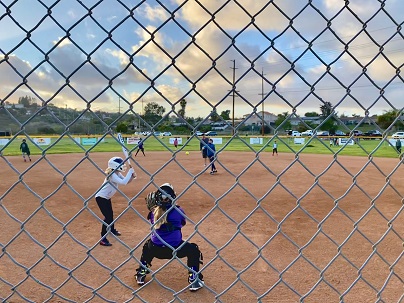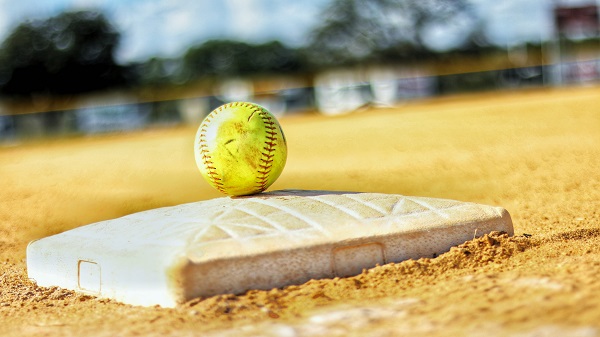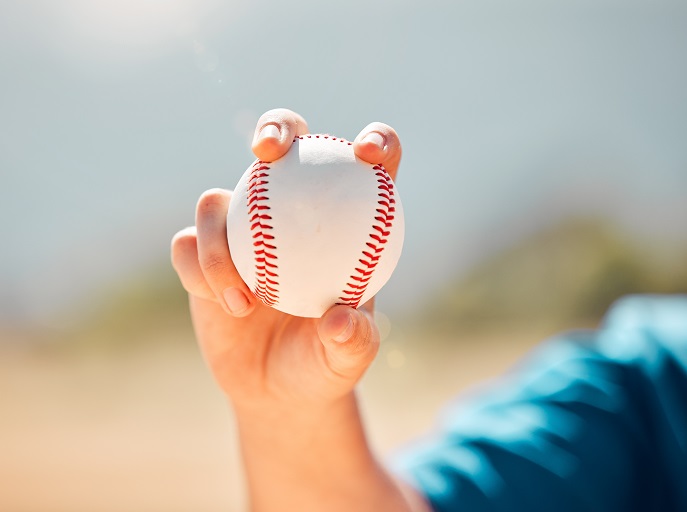






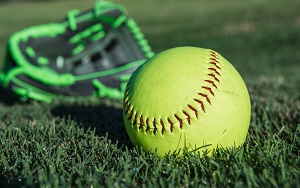
Baseball Drills for 6-10 Year Olds

Why are baseball drills important for young kids? Many people may not realize it, but baseball drills can teach young children important life skills. Drills can help with hand-eye coordination, develop fine motor skills, and improve memory and focus. In addition, drills can instill a strong work ethic in children and help them to persevere through challenging tasks.

Key Takeaways:

-Baseball drills are important for young kids because they can teach important life skills.

-Some essential baseball drills for 6-10 year olds include exercises for hand-eye coordination, fine motor skills, and memory and focus.

-In addition to the benefits mentioned above, baseball drills can also help kids develop a strong work ethic.

Introduction: Why baseball drills are important for young kids

Softball drills are important for young kids because they help to develop the skills necessary to play the game. While some drills may seem simple, they can teach kids the fundamentals of Softball, such as proper grip and throwing technique. In addition, drills can also help to build hand-eye coordination and improve reaction time. In short, Softball drills are an essential part of developing the skills needed to play the game. By taking the time to learn and practice these drills, young Softball players will be able to take their game to the next level.

6 essential baseball drills for 6-10 year olds

Every kid dreams of playing in the big leagues, but only a select few will ever make it to that level. However, every journey to the top begins with a solid foundation, and that foundation can be built with these six essential baseball drills for 6-10 year olds, with there baseball uniform.

Baseball Drills for 6-10 Year Olds
  1. Soft Toss. Soft toss is a great drill for teaching young players the proper way to swing a bat. Have the player stand a few feet away from you and toss the ball softly underhand. The player should focus on making contact with the ball in the sweet spot of the bat and following through with their swing.
  2. Fielding Ground balls. Fielding ground balls is one of the most important skills for any baseball player, and it’s one that should be practiced often. Place a few balls on the ground in front of the player and have them field them one by one. They should use two hands to field the ball and then make a strong throw to first base.
  3. Catching Fly Balls. Just like fielding ground balls, catching fly balls is an essential skill for all outfielders. Have the player stand in place while you hit short fly balls in their direction. They should track the ball with their eyes and then extend their glove to make the catch.
  4. Hitting off a Tee. Hitting off a tee is a great way for young players to learn how to properly swing a bat without having to worry about chasing after wild pitches. Set up a tee at home plate and have the player take turns hitting balls off of it. They should focus on keeping their hands inside the ball and following through with their swing.

5.. Throwing Strikes. Throwing strikes is one of the most important skills for any pitcher, and it’s one that takes time and practice to perfect. Have the player stand on one side of home plate while you stand on the other side (or use a pitching machine). The player should then focus on throwing strikes over home plate, either to an imaginary catcher or to an actual catcher if one is available.

6.. Base Running Drills .Base running is another important skill for all players, regardless of position .Place three cones in a straight line about 15 feet apart and have the player run back and forth between them , Touching each cone as they go .You can also set up two cones about 30 feet apart and have them run from one cone to the other , Touching each cone as they go . These are just a few essential baseball drills that every 6-10 year old player should be doing on a regular basis . By practicing these drills , They’ll be well on Their way towards becoming an excellent baseball player .

3 more fun baseball drills for 6-10 year olds

Softball is a sport that is often considered a girls game. However, it can be enjoyed by people of all genders. Softball is a relatively simple game that can be played with a small number of people. It is also a great way to get some exercise. Here are three fun softball drills for 6-10 year olds:

  1. The first drill is the base running drill. This drill involves running from one base to another. The object of the drill is to improve your speed and agility.
  2. The second drill is the batting drill. This drill involves hitting the ball with a bat. The object of the drill is to improve your batting skills.
  3. The third drill is the fielding drill. This drill involves catching the ball with a glove. The object of the drill is to improve your fielding skills.

These three drills are just a few of the many drills that can be used to improve your softball skills. These drills can be done alone or with a group of friends. Softball is a great way to stay active and have fun. So, grab a bat and glove and start practicing today!

Conclusion: How baseball drills can help your child succeed in baseball and in life

Baseball drills can help your child to improve their batting, catching, and throwing skills. However, the benefits of baseball drills go far beyond the baseball diamond. Drills can also teach important life skills such as discipline, teamwork, and goal-setting. When your child participates in baseball drills, they will learn how to stay focused and work hard to achieve their goals. These skills will not only help them to succeed in baseball, but in any endeavour they undertake in life. So don’t hesitate to sign your child up for baseball drills – it just might be the best decision you ever make.

What makes a good youth baseball player?

Youth baseball is an important part of many children’s development. It teaches the valuable lessons of teamwork, sportsmanship, and dedication, while also providing a great way to stay active and have fun.
But what makes a good youth baseball player? While physical gifts certainly play a role in success on the field, there are several mental and technical attributes that a player needs in order to excel.

Key Takeaways

  • Physical attributes, such as strength and endurance, agility and coordination, speed and quickness, and diet and nutrition
  • Mental attributes like focus and concentration, decision-making skills, problem-solving abilities, and the ability to cope with pressure situations
  • Technical skills including hitting mechanics & technique, throwing mechanics & technique, fielding mechanics & technique, and base running skills
  • Teamwork & leadership qualities such as communication skills, the ability to adapt, listening skills, and empowerment of others.

Physical Attributes

Physical attributes are an integral part of being a successful youth baseball player. Strength and endurance, agility and coordination, speed and quickness, as well as diet and nutrition all play key roles in achieving success on the field.

Strength & Endurance: A good youth baseball player needs to have the physical strength and endurance to perform at their best. This can be achieved through resistance exercises and cardiovascular activity.

Agility & Coordination: A player needs to have quick reflexes and an understanding of the game in order to react quickly and accurately. Agility drills, such as hopping between cones or throwing a medicine ball against a wall, as well as coordination exercises like ladder drills can help with this.

Speed & Quickness: Speed and quickness are essential for a successful youth baseball player. Sprinting drills and plyometric exercises can help to improve speed and agility while also developing explosive power.

Diet & Nutrition: Diet and nutrition play an important role in a player’s performance, especially when it comes to energy levels and recovery. A balanced diet, with plenty of protein and carbohydrates, is essential for any athlete.

By focusing on strength, coordination, speed, and nutrition, youth baseball players can develop the physical attributes needed to be successful on the field.

Mental Attributes

Mental attributes are just as important as physical ones when it comes to success in youth baseball. Players need to have the ability to focus and concentrate on their game, remain composed under pressure, and make quick decisions based on what’s happening around them.

What makes a good youth baseball player?

Focus & Concentration: Being able to focus and concentrate is essential to playing any sport, especially baseball. The game is full of distractions – from loud noises to other players’ conversations – so having the ability to block out all external noise and focus on your own performance is critical. This includes during practice as well; it’s important to stay engaged and focused even when you feel like you’ve mastered the drills.

Decision-Making Skills: In baseball, split-second decisions can make or break a play. That’s why it’s essential for players to have quick reflexes and the ability to think on their feet. Good decision-making involves recognizing patterns in the game, knowing when it’s best to go for it and when to hold back, and understanding the importance of teamwork.

Problem-Solving Abilities: Baseball is all about problem-solving. This means being able to think on your feet and come up with solutions quickly and efficiently. Players need to be able to identify potential problems before they arise, like choosing the right pitch in a given situation. Problem-solving abilities also include the ability to anticipate what other players might do and figure out strategies accordingly.

Ability to Cope with Pressure Situations: Baseball can be stressful, especially when there’s pressure on the line. It’s important for players to have the calmness and composure to stay focused and make the right decisions in any high-pressure situation.

To sum up, mental attributes are just as important as physical ones when it comes to being an effective youth baseball player. Focus and concentration, decision-making skills, problem-solving abilities, and the ability to cope with pressure situations are all essential. With these attributes, players will be well-prepared to handle any situation they might come across during the game with your baseball uniform package.

Technical Skills

When it comes to becoming a successful youth baseball player, technical skills are just as important as physical and mental attributes. Here’s an overview of the different types of technical skills players should have in order to succeed on the field.

Hitting Mechanics & Technique: Proper mechanics and technique play a critical role in hitting successfully. This includes mastering the fundamentals of a batting stance, grip, swing, and follow-through. Players should also have an understanding of the strike zone and be able to hit different types of pitches.

Throwing Mechanics & Technique: An accurate arm is a must for any successful youth baseball player. This includes mastering throwing form, proper warm-up techniques, and release points. Players should also understand how to accurately and quickly throw different types of pitches.

Fielding Mechanics & Technique: Fielding is a key component of success on the field. Players must master the mechanics of fielding ground balls, fly balls, and line drives, as well as practice proper footwork and throwing techniques.

Base Running Skills: This includes mastering the fundamentals of base running, such as understanding when to run and how to read a pitcher’s move. Players should also understand how to properly slide and make quick decisions on the base path.

In order to become a successful youth baseball player, players must master these fundamental technical skills. With practice and dedication, they can use these skills to reach their fullest potential and enjoy the game of baseball.

Conclusion

In conclusion, it takes a combination of physical attributes, mental qualities, technical skills, and teamwork & leadership qualities to be a successful youth baseball player. Players should focus on developing these areas in order to reach their full potential on the field.

For players and parents, here are some tips for success:

  • Make sure to get enough rest and a healthy diet
  • Practice regularly, no matter how small the improvement may be
  • Use visualization techniques to help with focus
  • Understand that failure is an important part of progress and growth.

Playing youth baseball has countless benefits for children, from improving physical health to teaching valuable life lessons. By understanding and nurturing these qualities, players can work towards becoming the best baseball player they can be.

Thank you for taking the time to read this blog about what makes a good youth baseball player. We hope that you’ve gained some insight into what it takes to be successful and wish you all the best in your future endeavors!

Playing American Football: Tips and Tricks for Kids!

Whether you’re a kid who wants to start playing American football, or a parent who is looking for tips to help your child excel at the sport, this blog post is for you! American football can be a lot of fun, but it’s also a complex game with many rules. In this post, we’ll give you an overview of the basics of American football, as well as some tips and tricks for playing the game. By the end, you’ll be ready to hit the field and start playing like a pro!

Key Takeaways:

  • American football is a complex game with many rules
  • Tips and tricks can help kids excel at the sport
  • By the end of this post, you’ll be ready to start playing like a pro!

What You Need to Know Before You Start Playing

American football is a tough, physical sport that requires strength, speed, and agility. If you’re thinking about playing football, there are a few things you should know before you start. First, American football is played with 11 players on each side. The game is played on a field that is 100 yards long and 53 yards wide. There are four quarters in the game, each lasting 15 minutes. At the end of each quarter, the team with the most points wins the game. American football is a dangerous sport, so it’s important to wear the proper equipment. This includes pads to protect your shoulders, elbows, and knees; a helmet to protect your head; also a good custom football jersey and cleats to help you run and change direction quickly. American football is a demanding sport, but it can be very rewarding. If you’re willing to put in the work, American football can be a great way to stay in shape and have fun.

The Basics of American Football

American Football: Tips and Tricks for Kids!
Playing American Football: Tips and Tricks for Kids!

American football is a sport played between two teams of eleven players on a rectangular field with goalposts at each end. American football is a very strategic and physical game, and there are many rules that govern the game play. The basic idea of American football is to score points by carrying the ball into the opponent’s end zone, or by kicking the ball through the opponent’s goal posts. American football is a very popular sport in America, and it is also one of the most exciting spectator sports. Also American football games are often televised, and they attract large crowds of spectators. American football is also a popular college sport, and many colleges have their own teams. Also American football is a very exciting sport to watch, and it is also a great way to stay fit and active. American football is a great sport for all ages.

Now that you know what you need to start playing, let’s go over the basics of the game. American football is played with two teams of 11 players each. The field is 100 yards long and 53 yards wide. There are four quarters in the game, each lasting 15 minutes. At the end of each quarter, the team with the most points wins the game. The offensive team tries to move the ball down the field by running or passing it. The defensive team tries to stop them by tackling the players or intercepting passes. When the offensive team scores a touchdown, they get six points. They can also get three points by kicking the ball through the goalposts. The defensive team can score two points by returning a fumble or interception for a touchdown. American football is a complex game, but these are the basic rules.

Tips and Tricks for Playing American Football

American football is a complex sport with many rules and regulations. The game is also quite physical, requiring players to be in excellent shape. As a result, it can be difficult for newcomers to understand everything that is going on. However, there are a few tips and tricks that can help make the game more enjoyable and comprehensible. First, it is important to familiarize yourself with the basic rules of the game. Second, pay attention to the coach and other players on your team. This will help you understand what your role is and what you should be doing on the field. Third, American football is a very fast-paced game, so it is important to stay focused and concentrate on the task at hand. By following these simple tips, you will be well on your way to enjoying American football.

Conclusion

American football is a great sport for all ages. It is a complex game with many rules, but once you understand the basics it can be very enjoyable. American football is also a great way to stay fit and active. If you’re thinking about playing football, keep these tips in mind and you’ll be sure to have a great time.

Separating the Best Softball Cleats from the Rest

Do you want to up your game in softball? One of the most important pieces of equipment you need is a pair of cleats that are specifically designed for softball. Having the right cleats can dramatically improve your performance and offer protection against injuries. But with so many options out there, finding the perfect pair can be a challenge. In this article, we’ll discuss the different types of softball cleats available and which features to look for. We’ll also provide tips on how to find the right fit for your feet. By knowing what to look for when purchasing softball cleats, you can make sure you’re getting the best ones for your game. Let’s get started!

Key Takeaways

• Understand the different types of softball cleats and their features

• Consider important features when choosing a pair of softball cleats

• Learn tips for finding the right size and fit for your feet

• Use these steps to help you find the best softball cleats for your game.

Overview of Softball Cleats

Softball cleats are designed to provide traction and stability on the soft, manicured playing surfaces found in softball parks around the country. Softball cleats typically have 12 spikes arranged in a circular pattern, with six spikes in the forefoot and six in the heel. The forefoot spikes are shorter than the heel spikes, which helps to provide better traction when running and turning. Softball cleats also have a wider toe box than baseball cleats, which helps to provide more comfort and room for the feet when swinging a bat. In addition, softball cleats typically have softer construction than baseball cleats, which helps to reduce the risk of injury on impact.

Benefits of Having the Right Cleats for Softball

Softball is a sport that requires a lot of running, stopping, and changing direction. As a result, having the right cleats is essential for safety and performance. Softball cleats are typically made from rubber or plastic and have spikes on the bottom. The spikes help to provide traction on the softball field so that players can run without slipping. They also help to provide stability when players are making sudden stops or changes in direction. In addition, softball cleats can help to improve a player’s performance by helping them to run faster and jump higher. As a result, it is important to choose the right cleats for softball. Players should consider the type of surface they will be playing on, their level of play, and their personal preferences when selecting cleats. Softball cleats are an important piece of equipment for any player looking to improve their game.

Considerations When Choosing Softball Cleats

Separating the Best Softball Cleats from the Rest

Softball is a game that requires split-second decisions and quick reflexes. In order to perform at your best, you need to have the right equipment. Cleats are an important part of any softball player’s equipment, and there are a few things you should keep in mind when choosing a pair. Softball cleats should be lightweight and comfortable, with good traction to help you make quick stops and starts. You also want to make sure that the cleats you choose offer good support for your ankles. If you play on artificial turf, you’ll want to look for cleats with longer spikes that can provide good traction. With so many different options on the market, it’s important to do your research and find the pair of cleats that will help you perform your best on the field.

Types of Softball Cleats Available

Softball cleats are an important part of any player’s equipment. They provide traction on the field and help to prevent slips and falls. There are a variety of different types of softball cleats available, each designed for different playing conditions. Metal cleats are the most popular choice for high-level play. They provide good traction on all types of surfaces, including grass, dirt, and artificial turf. Molded cleats are another option for players who want good footing without the added weight of metal cleats. These cleats are often made of rubber or plastic and have small spikes or ridges that help to grip the playing surface. Lastly, turf shoes are a good choice for players who spend a lot of time playing on artificial turf. These shoes have small, evenly spaced studs that provide good traction without damaging the turf. Softball cleats are an important piece of equipment for any player. By choosing the right type of cleat, players can improve their traction and prevent slips and falls on the field.

Important Features to Look for in Softball Cleats

Softball is a game that requires speed, agility, and quick reflexes. It’s also a game that’s played on turf, which means that the right footwear is essential. Softball cleats are designed to provide traction and stability on turf, and they come in a variety of styles to suit different playing styles. When choosing softball cleats and youth softball uniforms, it’s important to consider the following features:

  • Softball-specific design: Softball cleats are designed specifically for the game of softball. They have features that provide traction and stability on turf, and they’re often lighter weight than other types of cleats.
  • Turf-specific outsoles: The outsoles of softball cleats are designed to provide traction on turf. They often have small spikes or studs that help grip the turf and provide stability when running and cutting.
  • Lightweight construction: Softball is a fast-paced game, so it’s important to choose a pair of cleats that won’t weigh you down. Look for shoes that are made with lightweight materials and have low-profile soles.
  • Breathability: Softball is often played in hot weather, so it’s important to choose a pair of cleats that will keep your feet cool and comfortable. Look for shoes that have breathable uppers and well-ventilated soles.

Tips for Finding the Right Fit

Softball is a great way to get exercise and have fun, but it’s important to find the right team for you. Here are a few tips to help you find the right fit:

First, consider your skill level. Are you a beginner, or have you been playing for awhile? If you’re new to the game, you’ll want to look for a team that is also relatively new, or at least has players of all skill levels. On the other hand, if you’ve been playing for awhile, you’ll want to find a team with players of similar skill so that you can all push each other to improve.

Second, think about your schedule. Softball games are typically scheduled for weekends, but some teams also practice during the week. How much time are you willing to commit? If you can only make weekend games, that’s fine, but it will limit your options. On the other hand, if you’re able to practice during the week, you’ll have more teams to choose from.

Third, take location into account. Softball leagues are typically organized by geographic region, so it’s important to find a team that is close to where you live or work. Not only will this make it easier for you to get to games and practices, but it will also allow you to build relationships with your teammates off the field.

Finally, don’t be afraid to reach out and ask questions. The best way to find out if a softball team is right for you is to talk to the coach or captain and ask about their expectations and goals for the season. Once you’ve found a team that meets your needs, don’t forget to have fun and enjoy the game!

How to get your kids started in softball – The basics of the game and what they need to know to

In today’s world, kids are more important than ever to get involved in sports. Not only do sports provide essential physical activity, but they also offer valuable life lessons and teach important social skills.

One sport that is perfect for kids is softball. Softball is a great way to get kids active while teaching them important skills like teamwork and sportsmanship.

If you’re thinking about getting your kids started in softball, read on for the basics of the game and what they need to know to get started.

Key Takeaways

  • Sports are essential for kids’ physical and social development
  • Softball is a great option for kids, as it teaches important skills like teamwork and sportsmanship
  • To get started, your kids will need to know the basics of the game and have the necessary skills and techniques
  • With a little practice and perseverance, your kids will be softball stars in no time!

Now that you know why softball is such a great option for kids, it’s time to get into the basics of the game.

Introduction: the importance of sports in a child’s development

Sports play an important role in the development of children. They help to teach important life lessons such as cooperation, competition, and sportsmanship. In addition, sports can help to promote physical activity and healthy lifestyle habits. Through participation in sports, children can learn how to set goals, work hard, and persevere in the face of adversity. These are skills that will benefit them throughout their lives. Softball is one sport that can help to promote child development. It requires teamwork and strategic thinking and also encourages physical activity. By participating in softball, children can learn valuable skills that will help them in all aspects of their lives.

The basics of the game: explaining the rules and objectives of softball

The game of softball is a relatively simple one and can be enjoyed by people of all ages and skill levels. The basic objective of the game is to score more runs than the opposing team. Runs are scored by hitting the softball with a bat and then running around a set of four bases before the fielders can throw the ball back to the pitcher. Softball is typically played on a diamond-shaped field, with the bases arranged in a counter-clockwise direction. There are typically nine players on each team, though some variations of the game may use fewer players. The defensive team’s goal is to get three outs per inning, while the offensive team tries to score as many runs as possible. Once three outs have been recorded, the teams switch roles and the other team takes its turn at bat. Softball games can be played for a set number of innings, or until one team has reached a predetermined score. softball is a fun and easy game to learn and can be enjoyed by people of all ages. So grab a bat and softball, find a group of friends, and give it a try!

How to get your kids started in softball – The basics of the game and what they need to know to

What kids need to know: the necessary skills and techniques required to play softball

In order to play softball, there are a few necessary skills and techniques that kids need to know. First, softball is typically played with a larger ball than baseball, so kids need to be able to adjust their grip accordingly. They also need to be able to throw the ball with soft hands, using a light touch to avoid putting too much spin on the ball. When hitting, they should keep their weight back and use a level swing to make contact with the ball squarely. Finally, in the field, they need to be able to read the ball off the bat and get into position quickly to make the play. By mastering these basic skills and techniques, kids will be well on their way to enjoying softball.

Getting started: tips on how to get your kids involved in softball

Softball is a great way to get kids active and involved in a team sport. If your child is interested in softball, there are a few things you can do to get them started. First, make sure they have the proper equipment. softball gloves, softballs, softball bats, and softball uniforms are all essential. You can usually find these items at your local sporting goods store. Second, find a softball league in your area. There are typically leagues for different age groups, so make sure to sign your child up for the appropriate one. Finally, help your child practice at home. Softball drills and exercises are a great way to help them hone their skills. By following these tips, you can help your child get started in softball and set them up for success.

Conclusion: the benefits of playing softball and how it can positively impact your child’s life

For many young girls, softball is more than just a game. It is a way to make friends, stay active, and learn important life lessons. Participation in softball can also have a positive impact on a child’s self-esteem and confidence. Here are just a few of the many reasons why softball is good for your child:

Softball teaches teamwork and cooperation. In order to be successful, softball players must work together as a team. They must learn to communicate and cooperate with each other in order to execute plays. This experience can teach children the value of teamwork and cooperation, which will be useful in other areas of their lives.

Softball also helps children to stay active and healthy. Physical activity is important for all children, but it can be especially beneficial for those who are prone to obesity or other health problems. Playing softball can help your child maintain a healthy weight, as well as improve their coordination and stamina.

Finally, softball can boost your child’s self-esteem and confidence. Participating in any team sport can help children to feel good about themselves and develop a sense of pride. Softball can also teach children the importance of setting goals and working hard to achieve them. These are just a few of the many benefits that softball can offer your child. If you are looking for a way to positively impact your child’s life, sign them up for softball today!

Building Blocks For Developing Youth American Football Skills

Through my experience as a youth American football skills development analyst, I’m committed to giving each young athlete the best opportunity for success. Building on fundamentals is how average players become elite athletes – it’s exactly what makes or breaks them in this competitive sport. Here we’ll uncover the essential building blocks that are sure to equip these aspiring athletes with all they need to thrive and take their game even further!

The importance of developing strong technical foundations cannot be overstated when it comes to youth football. Kids must learn proper stance, footwork, ball-handling techniques, and blocking mechanics from day one if they want to maximize their performance at higher levels of play. Without these basic skills mastered early on, many opportunities for success may never come about later down the road.

Finally, another major component that should not go overlooked is mental preparation. Sharpening one’s knowledge of game strategy and understanding how different plays fit into specific situations can give any young athlete a leg up on their opponents and increase confidence levels beyond measure. All these pieces are put together to form the foundation upon which successful players build their careers as they move through the ranks of American Football competition.

Fundamentals Of Football

Football fundamentals are a crucial component of youth football coaching. It sets the foundation for players to hone their skills and master the game. Proper drills, techniques, and implementation of plays from a playbook can help young athletes understand the basics of football to improve their performance on the field.

Coaches need to be familiar with basic football rules in addition to teaching proper footwork, ball handling, passing accuracy, blocking technique, and tackling form. Football drills should be tailored specifically for individual skill levels so that each player can progress at his or her own pace. Developing strong fundamental skills will give youth players an advantage when it comes to competing against opponents.

By mastering the basics through practice and repetition, coaches can ensure that they have built a solid foundation upon which their teams can build strength and endurance as they develop into successful competitors.

Building Strength And Endurance

Building strength and endurance is essential for any youth football player. Strength-building activities should be incorporated into a training program to help ensure success on the field. Football drills that focus on strengthening specific muscles used in football can help players increase their muscle mass, power, and agility. Training programs should also include exercises designed to improve the overall fitness levels of young athletes such as running, jumping rope, and weightlifting.

Building Blocks For Developing Youth American Football Skills

Endurance training is equally important for youth football players because it helps them maintain energy throughout a game or practice session. Recurring practices with intervals of rest are key components when developing an endurance-based workout routine since these allow players to build up their capacity for exercise over time without becoming too fatigued from overexertion. Additionally, focusing on proper nutrition and hydration habits will provide further benefits in terms of strength and endurance development. Transitioning into appropriate strategies for how to best train these aspects within a team setting is the next step in creating successful footballers at any level with their custom jerseys football.

Training Strategies

Youth football is an exciting and challenging sport that requires a great deal of skill, agility, conditioning, and knowledge to succeed. As coaches and players alike strive for excellence on the field, honing these skills through practice is essential. With the right training strategies in place, teams can become unstoppable forces of nature on game day.

Football drills are fundamental to developing young athletes’ proficiency with the ball as well as their coordination and timing when passing or receiving it. Agility drills help them improve their speed and explosiveness while fine-tuning movement patterns needed to make plays quickly and efficiently. Conditioning drills strengthen muscles used during play so they stay strong throughout entire games without becoming fatigued too soon. Finally, tackling drills teach positioning techniques so defenders can take down opponents safely yet effectively.

Football involves complex physical demands which must be addressed to excel at this dynamic sport. By incorporating efficient training strategies into practices focused on drill work such as those mentioned above, youth American football players can gain invaluable skills necessary to excel both on and off the field.

Conclusion

The fundamentals of football, building strength, and endurance, and the development of training strategies are all important elements in youth American football skills development. To me, these three pieces form a triangle; each component supports the others to create a strong foundation for success.

It’s like constructing a house from bricks: you need sturdy foundations, walls that will stand up against pressure, and an overall plan for how everything is going to come together. If any one piece of the puzzle is missing or not sufficiently developed, then it can cause problems down the line. That’s why I believe so strongly in making sure young players have access to reliable information on these topics before they take the field.

Creating this kind of environment helps ensure that our athletes have what they need to reach their full potential as football players. With proper guidance and instruction – along with hard work and dedication – kids can develop into top-notch competitors who make us proud!

Getting the Right Gear for Youth Softball

When it comes to choosing a sport for your child to play, there are many factors to consider. You want to find something that they will enjoy and that will also teach them important skills such as teamwork and cooperation. Another important factor is safety. You want to make sure that the sport they choose is safe and that they have the proper equipment to protect them from injury.

One sport that ticks all of these boxes is youth softball. Softball is a great team sport that is perfect for kids of all ages. It is also relatively safe, especially when compared to other sports such as football or hockey. In this blog post, we will discuss the equipment needed to play youth softball. We will also address any safety concerns that you may have about your child playing this sport.

So, if you are considering signing your child up for youth softball, read on to learn everything you need to know about getting started.

Youth softball and discuss the benefits of playing

Softball is a popular team sport for girls and young women. It is similar to baseball, but it is played with a larger ball and a shorter field. Softball is a great way to get active and stay fit. It also helps improve coordination and develop teamwork skills. In addition, softball can be a fun way to make new friends and compete against other teams. If you are thinking about joining a softball team, or if you are looking for a new sport to try, softball may be the perfect choice for you.

Outlining the equipment needed to play youth softball

In order to play softball, you will need a few pieces of essential equipment. This includes a bat, a glove, cleats, and a softball. You may also want to invest in some protective gear such as a batting helmet and shin guards. You can purchase all of this equipment at your local sports store or online.

Before your child can play softball, you’ll need to make sure you have the proper equipment. For starters, each player needs a softball bat. These can be made of aluminum, composite, or wood, and they come in a variety of lengths and weights. Next, each player needs a softball. These are typically between 9 and 11 inches in circumference and weigh between 5 and 7 ounces. Finally, each team needs a set of bases. These are typically positioned at first, second, and third base, as well as home plate. With the proper equipment in hand, your child will be ready to take the field and play softball.

Getting the Right Gear for Youth Softball

Where to purchase the necessary gear

Most softball players find that the best place to purchase their gear is at a local sporting goods store. This is because these stores generally have a large selection of softball equipment (softball uniforms youth) and they are usually able to offer competitive prices. In addition, the staff at these stores is typically very knowledgeable about softball and can offer helpful advice on which products are right for each individual player. However, some players prefer to purchase their gear online. This is because there are a wider variety of products available and it is often possible to find better deals. However, it is important to exercise caution when making purchases online, as it can be difficult to determine the quality of the products.

When it comes to purchasing softball equipment, there are a few different options. For starters, you can purchase all of the gear you need at a local sporting goods store. This is generally the most convenient option, as these stores typically have a wide selection of products and they usually offer competitive prices. However, some players prefer to purchase their gear online. This is because there are a wider variety of products available and it is often possible to find better deals. However, it is important to exercise caution when making purchases online, as it can be difficult to determine the quality of the products.

Safety concerns associated with playing youth softball

Playing softball can be a fun and rewarding experience for kids of all ages. However, it’s important to be aware of the potential safety concerns associated with the sport. One of the most common injuries in softball is collision-related, such as when a player is hit by a batted ball or collides with another player while running the bases. To help reduce the risk of such injuries, it’s important to make sure players are wearing appropriate safety equipment, such as helmets, mouthguards, and protective eyewear. In addition, coaches should emphasize the importance of proper softball-specific training and conditioning to help reduce the risk of muscular strains and other overuse injuries. By taking these precautions, we can help make softball a safe and enjoyable experience for everyone involved.

Conclusion

In conclusion, playing softball can be a fun and rewarding experience for kids of all ages. However, it’s important to be aware of the potential safety concerns associated with the sport. By taking precautions, such as wearing appropriate safety equipment and emphasizing proper training and conditioning, we can help make softball a safe and enjoyable experience for everyone involved.

Thanks for reading! I hope this article was helpful in understanding the safety concerns associated with playing softball.

From Tee Ball To Tryouts: A Comprehensive Guide To Softball Skills Development

Softball provides an unforgettable experience to those who step up to the plate, with passions soaring and potential limitless. Whether you’re experienced or just starting out on this joyous journey of camaraderie and self-improvement, our guide takes you through all levels from tee ball onwards – so your skills can shine as bright as a golden summer’s day!

For those just starting in the sport, understanding proper form and technique is essential for success. We’ll walk you through helpful drills and exercises that will help build confidence while strengthening weak areas. Regardless of experience level or age, these drills are designed to ensure athletes stay sharp no matter what challenges they face during their season.

Finally, we offer advice for players looking to take their game to the next level – whether it’s competing at higher levels or simply fine-tuning existing skills. Make sure you’re prepared for game day by following our tips for improving agility, power, accuracy, and speed! With this guide in hand, any athlete can become a formidable force on the diamond.

Fundamental Techniques

Softball success is built on a foundation of fundamentals. It requires applying both physical and mental skill to the game, as well as developing technical expertise with ball control, pitching technique, and catching basics. Understanding these principles can be key for players looking to elevate their overall performance.

When it comes to ball control, players need to be able to field ground balls with both hands while maintaining proper balance and body position. Proper positioning is also important when fielding fly balls; players should practice tracking the ball into their glove before they make any attempt at throwing it back toward home plate. In addition, mastering how to throw accurately across long distances requires precision footwork and arm strength.

Pitching mechanics involve teaching pitchers how to properly grip a pitch, gain momentum during delivery, and follow through correctly to maximize the velocity and accuracy of throws. Catching fundamentals include learning how to set up behind the home plate, block pitches in the dirt by keeping one’s chest down, frame strikes from umpires’ views, and tag out runners attempting to steal bases. These skills can take time to master but are essential if one wishes to reach an elite level of play. With correct practice habits coupled with a dedication to improvement, these fundamentals can become second nature over time. To further ensure success on the diamond, having access to proper equipment and gear is just as important…

Proper Equipment And Gear

Equipping yourself for softball success is like packing for a journey: you need the essentials and must be prepared for whatever comes your way. Proper softball equipment and gear are essential to any tee ball player or aspiring athlete looking to make it through tryouts and onto the team. Softball skills development starts with making sure you have all of the necessary items in your arsenal.

From Tee Ball To Tryouts: A Comprehensive Guide To Softball Skills Development

Start by investing in a good glove, preferably one made from leather that will mold to your hand over time. Don’t forget cleats as well; they should fit snugly but not too tightly around your feet. A batting helmet with a faceguard is also needed to protect against foul balls, while an athletic cup is important no matter what position you play. You’ll want a quality bat to hit the ball consistently; there are many different types available so do research beforehand on which could best suit your needs. Finally, don’t forget about water bottles—hydration plays an important role during games and practices alike!

By having all of these pieces of gear readily available, you can focus more on perfecting drills and exercises that will help enhance your skillset rather than worrying about whether or not you have everything you need.

Drills And Exercises

Now that you have the proper equipment for softball, it’s time to focus on drills and exercises. Softball skills development requires a combination of physical strength, speed, agility, and coordination. You can practice these elements in individual or team-based drills and exercises at home or in the field. Here are five essential drills to get started:

  • Softball Drills – Focus on fundamentals like throwing, catching, fielding grounders, and pop flies; as well as batting and running techniques such as balance and footwork.
  • Speed Drills – Improve your quickness with sprints, plyometrics (jumping), power skips, agility ladders, lateral shuffles, and other similar activities.
  • Agility Drills – Enhance your reaction times by practicing agility moves like base runs, jumps over obstacles, and various cuts.
  • Hitting Drills – Work on your accuracy and timing when hitting balls from a tee or pitching machine.
  • Fielding Drills – Practice defensive plays like backhands, forehands, double plays, infield fly rules, etc., so you can properly react quickly during game situations.

With this foundation of physical preparation established through consistent practice of these drills and exercises, now comes the mental side of softball skills development – getting into the right frame of mind before every game!

Mental Preparation

Mental preparation is just as important for softball success as physical training. Mental strength, psychological readiness, and confidence building are essential components of the game. As a player develops their skills on the field, it’s equally important to develop mental toughness and focus techniques that will help them excel during competition.

Visualization exercises can be an effective tool in increasing confidence levels and improving performance. Visualizing yourself succeeding with certain plays or achieving personal goals can help you feel prepared before stepping onto the diamond. It’s also beneficial to practice relaxation methods like deep breathing and positive affirmations when feeling anxious or overwhelmed. These activities will calm your nerves so you can stay focused in high-pressure situations.

Developing strong mental strategies is key for any athlete looking to take their skill set to the next level. With consistent work, both mentally and physically (uniforms for softball), players can become more confident in their abilities and gain greater control over their performances on the field.

Conclusion

Now that you have all the knowledge and skills necessary to excel in softball, it’s time to put your training into action. Over 90% of youth athletes who practice regularly will improve their performance on the field. This statistic alone should serve as an incentive for young players to stay dedicated and continuously strive toward achieving greatness.

As a coach or parent, it is important to provide guidance and support throughout this journey. It can be difficult at times but always remember that there are no shortcuts when it comes to success. Your job is to help build confidence by providing positive reinforcement during practices and games. With enough hard work and dedication, any player can reach their goals!

Overall, developing softball skills requires patience, determination, and commitment from both coaches and players alike. By following the steps outlined in this guide, everyone involved should gain insight into what it takes to become a successful athlete – from tee ball through tryouts!